Flight Tickets: A Complete Guide to Booking, Pricing, and Travel Costs
Flight tickets are an essential part of modern air travel. Whether a person is traveling for business, a family visit, education, or a vacation, understanding how airfare works can make the booking process easier and help travelers plan their budgets more effectively.
The price of a flight ticket can vary significantly depending on the destination, travel dates, airline, booking time, seat type, baggage requirements, and other factors. Travelers may also encounter additional costs such as airport taxes, baggage fees, seat-selection charges, travel insurance, and cancellation fees.
This guide explains how flight tickets work, what affects airfare, and what travelers should consider before purchasing a ticket.
What Are Flight Tickets?
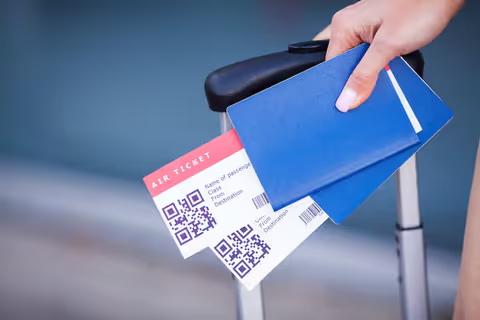
A flight ticket is a travel document or electronic record that confirms a passenger's reservation for a specific flight. It generally contains information such as the passenger's name, flight number, departure and arrival airports, travel date, and booking reference.
Modern airline bookings are usually issued electronically. After completing a reservation, passengers normally receive an electronic ticket or booking confirmation by email or through the airline's website or mobile application.
A ticket does not always mean that every travel-related service is included. Depending on the airline and fare type, passengers may have to pay separately for checked baggage, seat selection, meals, priority boarding, or other optional services.
How Flight Ticket Prices Are Determined
Airfare is not usually a fixed price. Airlines use sophisticated pricing systems that can change ticket prices based on demand, availability, travel dates, and other market factors.
Supply and Demand
When many travelers want to fly on the same route, available seats can become limited. Airlines may increase fares as demand rises.
Conversely, flights with lower demand may have lower prices, particularly when airlines are trying to fill available seats.
Travel Dates
The date and time of travel can have a significant effect on airfare.
Flights during holidays, major events, school vacation periods, and popular travel seasons may cost more than flights during less busy periods.
Destination
International routes often have different pricing structures from domestic routes. Distance, airport charges, fuel expenses, taxes, competition, and operating costs can all influence the final price.
Fare Class
Airlines typically offer multiple fare categories. A basic fare may have fewer included services, while a higher-priced fare may provide greater flexibility.
For example, different fare categories may vary in:
- Baggage allowance
- Seat selection
- Refund eligibility
- Flight-change options
- Meal availability
- Boarding priority
- Upgrade eligibility
Travelers should check the fare conditions before purchasing.
Types of Flight Tickets
Understanding the different types of airfare can help travelers select an option that matches their needs.
One-Way Tickets
A one-way ticket covers travel from one destination to another without including a return flight.
This option can be useful for travelers who have flexible return plans, are relocating, or are purchasing the return journey separately.
Round-Trip Tickets
A round-trip ticket generally includes both the outbound and return journeys.
For travelers who already know their return date, comparing round-trip fares with separate one-way tickets can help identify the most suitable option.
Multi-City Tickets
A multi-city itinerary allows travelers to include several destinations in one booking.
For example, a traveler might fly from Delhi to Paris, continue from Paris to Rome, and return from Rome to Delhi.
Economy Tickets
Economy class is generally the most widely used cabin category. Depending on the airline and fare, economy tickets can include different combinations of baggage, meals, seat selection, and flexibility.
Business and First Class Tickets
Business and first-class fares generally provide additional services and more spacious seating. The exact benefits differ between airlines and routes.
These fares may include priority check-in, additional baggage, airport lounge access, enhanced meals, and greater flexibility.
What Is Included in a Flight Ticket?
The services included with a ticket depend on the airline, route, fare type, and booking conditions.
A ticket may include:
- Transportation between specified airports
- A particular baggage allowance
- Standard onboard services
- A seat or seat assignment option
- Applicable taxes and mandatory charges
However, optional services may cost extra.
Before completing a booking, travelers should review the fare conditions, baggage policy, and cancellation policy.
Additional Costs to Consider
The advertised airfare may not represent the entire cost of a trip. Travelers should consider other expenses when comparing flight options.
Baggage Fees
Some fares include checked baggage, while others may provide only cabin baggage.
Additional baggage can result in extra charges. Travelers should check the airline's current baggage allowance before arriving at the airport.
Seat Selection Fees
Certain airlines allow passengers to select specific seats for an additional charge.
Passengers who do not purchase seat selection may receive an automatically assigned seat, depending on the airline's policy.
Airport Taxes and Fees
Taxes and airport-related charges may form part of the total ticket price. The exact amount depends on the departure country, destination, airports, and applicable regulations.
Travel Insurance
Travel insurance can provide financial protection for certain covered situations, depending on the policy.
Coverage can vary considerably. Some policies may cover eligible trip cancellations, travel interruptions, baggage problems, or emergency assistance.
Travelers should read the policy terms, exclusions, coverage limits, and claim requirements before purchasing travel insurance.
How to Compare Flight Tickets
Comparing flights involves more than looking at the lowest advertised fare.
Compare the Total Price
A cheaper base fare may become more expensive after adding baggage, seat selection, meals, or other services.
When comparing options, consider the total expected travel cost.
Check Flight Duration
A flight with a lower price may involve a long layover or multiple connections.
Travelers should compare:
- Total journey time
- Number of stops
- Layover duration
- Departure time
- Arrival time
- Airport changes during connections
Review the Cancellation Policy
Some tickets may be refundable, while others may have restrictions or cancellation charges.
Understanding the cancellation and change conditions can be particularly important for business travel or international trips.
How to Find Potentially Lower Airfare
There is no guaranteed method for obtaining the lowest flight price, but travelers can use several practical strategies.
Compare Different Travel Dates
If the schedule is flexible, checking several nearby dates may reveal differences in airfare.
Traveling on less popular dates can sometimes provide more affordable options.
Compare Multiple Airlines
Different airlines may offer different combinations of price, baggage allowance, schedules, and services.
Comparing several options can provide a better understanding of the available market prices.
Consider Nearby Airports
In some destinations, multiple airports serve the same metropolitan area.
A nearby alternative airport may offer different flight schedules or prices, although travelers should also consider transportation costs and travel time.
Book According to Your Travel Needs
There is no universal rule that booking a certain number of days in advance will always produce the lowest fare.
Airline pricing changes according to many factors, so travelers should compare available fares and conditions rather than relying on a single booking rule.
Flight Tickets and Credit Cards
Some travelers use travel-focused credit cards to earn rewards or receive travel-related benefits.
Depending on the card and issuer, benefits may include:
- Travel reward points
- Airline-related rewards
- Airport lounge access
- Foreign transaction benefits
- Travel insurance features
- Promotional offers
However, credit card rewards should not be the sole reason for making a purchase. Travelers should review annual fees, interest rates, eligibility requirements, reward conditions, and other terms before applying for a financial product.
Flight Tickets and Travel Insurance
Travel insurance is a separate financial product from an airline ticket.
A travel insurance policy may offer coverage for certain unexpected events, but coverage depends on the specific policy.
Before purchasing insurance, travelers should examine:
- Coverage limits
- Deductibles
- Exclusions
- Cancellation conditions
- Medical coverage
- Baggage coverage
- Emergency assistance
- Claim procedures
Travelers should avoid assuming that every cancellation or delay is automatically covered.
International Flight Tickets
International travel generally requires more preparation than domestic travel.
Passengers may need to consider:
- Passport validity
- Visa requirements
- Transit requirements
- Entry regulations
- Travel insurance
- Baggage restrictions
- Currency exchange
- Airport transfer costs
Visa and entry requirements can change, so travelers should verify current requirements through official government or embassy sources before booking or traveling.
Flight Changes and Cancellations
Airline policies for changing or canceling tickets vary.
Some tickets allow changes with a fee, while others may have more restrictive conditions. Flexible fares may provide additional options but can have a higher initial price.
Passengers should check the fare rules before purchasing, particularly when travel dates are uncertain.
If an airline changes or cancels a flight, the passenger's available options depend on the airline's policy, applicable regulations, and circumstances surrounding the disruption.
How to Read a Flight Booking Confirmation
A booking confirmation normally contains several important details.
Travelers should verify:
Passenger Information
Check the passenger's name and other required details carefully.
Flight Information
Confirm:
- Flight number
- Departure date
- Departure airport
- Arrival airport
- Departure time
- Arrival time
Baggage Allowance
Check the permitted cabin and checked baggage allowance.
Fare Conditions
Review the ticket's change, cancellation, refund, and other conditions.
Booking Reference
Keep the booking reference or confirmation number available because it may be required for online check-in or customer service.
Common Mistakes When Buying Flight Tickets
Travelers can reduce problems by avoiding several common mistakes.
Focusing Only on the Lowest Price
The cheapest fare may have strict conditions or limited services.
Ignoring Baggage Rules
Unexpected baggage charges can increase the total cost of a trip.
Not Checking Airports
Some cities have multiple airports. Selecting the wrong airport can create additional transportation costs and inconvenience.
Overlooking Transit Requirements
International connections may require additional documentation depending on the countries involved.
Not Reading Cancellation Conditions
A low-cost ticket may have limited refund or change options.
Frequently Asked Questions About Flight Tickets
When Is the Best Time to Buy Flight Tickets?
There is no guaranteed universal booking date that produces the lowest fare. Prices can change according to demand, route, season, availability, and airline pricing strategies.
Are Round-Trip Tickets Always Cheaper?
Not necessarily. The price depends on the airline, route, travel dates, fare rules, and availability. Comparing both round-trip and separate one-way options can be useful.
What Should I Check Before Buying a Flight Ticket?
Review the total price, baggage allowance, flight schedule, airport information, cancellation rules, change fees, and included services.
Can Flight Tickets Be Refunded?
Refund eligibility depends on the fare conditions, airline policy, applicable regulations, and reason for cancellation.
Does Travel Insurance Cover Flight Cancellation?
Some travel insurance policies cover specific eligible cancellation situations, but exclusions and conditions apply. Travelers should read the policy documentation before purchasing.
Final Thoughts
Understanding flight tickets involves more than finding a low airfare. Travelers should consider the complete cost of the journey, including baggage, seat selection, insurance, transportation, and other potential expenses.
Comparing airlines, schedules, fare conditions, baggage policies, and cancellation rules can help travelers make more informed decisions. For international journeys, checking current passport, visa, and entry requirements is equally important.
A careful comparison of flight ticket prices, travel insurance, airline policies, credit card travel benefits, and overall travel expenses can make it easier to create a realistic travel budget and choose an option that fits the trip's requirements.