Understanding Connector Types: Pin, Plug, Terminal, and Modular Systems
Connectors are fundamental components in electrical and electronic systems. They allow circuits, devices, and components to link together in a safe and controlled manner. The core purpose of any connector—whether it is a pin connector, plug connector, terminal block, or modular connector—is to enable secure electrical continuity without permanent wiring.
As technology progresses across sectors such as automation, communication, automotive engineering, and consumer electronics, connector design has evolved to support higher performance, stronger durability, and greater compatibility. Today’s electrical connectors are built to withstand environmental factors, meet global wiring standards, and ensure consistent signal transmission across a wide range of applications.
Connectors exist because every system—from home appliances to industrial control panels—needs stable electrical pathways. Instead of soldering wires every time a device needs maintenance or replacement, connectors enable quick disconnection, modular upgrades, and safer handling of electrical circuits.
Importance
Connector technology plays a critical role in modern infrastructure and digital expansion. Their relevance extends across households, commercial buildings, data centers, manufacturing facilities, renewable energy installations, and transportation networks.
Why Connectors Matter Today
-
They ensure signal accuracy in systems powered by digital communication protocols.
-
They support modular designs, allowing components to be replaced without disturbing the entire setup.
-
They reduce wiring errors by providing standardised interface points.
-
They enhance the safety of electrical networks through secure locking mechanisms and insulation.
-
They help industries comply with wiring compliance regulations and safety guidelines.
Connectors directly affect technicians, engineers, manufacturers, and consumers who interact with electrical devices. A failure in wiring components can lead to downtime, equipment damage, and safety hazards. This makes high-quality electrical connectors essential for stable performance.
Additionally, the growing need for energy-efficient systems, smart devices, renewable power sources, and automated machinery has increased the demand for advanced connector systems that support higher currents, faster data rates, and compact installations.
Recent Updates
Connector technology continues to evolve, influenced by advancements in electronic interface systems, industrial automation, and communication standards. Over the past year, several developments have shaped how pin connectors, plug connectors, terminals, and modular systems are designed and used.
Trends and Updates from 2024–2025
-
Miniaturisation for compact electronics (2024): Consumer electronics saw increased adoption of micro-connectors for slim devices, supporting high data throughput in smaller form factors.
-
Modular wiring systems gaining traction in industrial automation (January 2025): Industries have shifted toward modular connectors to simplify machine installation, reduce downtime, and enable plug-and-play components.
-
Enhanced safety features for terminals (March 2024): Terminal blocks now include better insulation materials and vibration-resistant mechanisms, especially for renewable energy applications.
-
Greater focus on sustainability: Manufacturers are transitioning toward recyclable materials and energy-efficient production processes for connector components.
-
Global alignment with new wiring standards (2024–2025): Updates to IEC and ISO guidelines have influenced connector specifications, ensuring better compatibility across international markets.
These changes reflect a broader shift toward higher-precision electrical connectors that meet the demands of fast-growing fields such as robotics, electric vehicles, data networks, and smart home ecosystems.
Laws or Policies
Connectors are subject to various laws and regulations that govern electrical safety, materials, and performance standards. These rules ensure that wiring components operate reliably and meet environmental requirements.
Key Regulations Influencing Connector Use
-
IEC Standards (International Electrotechnical Commission): Defines global benchmarks for connector safety, insulation, current ratings, and mechanical performance. Examples include IEC 61984 for connectors and IEC 60204-1 for machinery wiring.
-
RoHS Compliance: Restricts hazardous substances in electrical components. Connectors must adhere to limits on materials such as lead and mercury.
-
UL and CE Certifications: Ensures compliance with electrical safety norms in different regions. These certifications confirm that connectors meet established quality and performance criteria.
-
Wiring Regulations in Industrial Environments: Countries implement guidelines for wire termination, grounding practices, and connector installation to reduce electrical hazards.
-
Data and communication wiring standards: Modular connectors used in networking must follow industry-defined protocols such as ISO/IEC 11801 for structured cabling.
These regulations support safety, environmental responsibility, and interoperability between global manufacturing systems.
Tools and Resources
Professionals working with electrical connectors often rely on specialised tools, reference platforms, and configuration guides. Below is a simple resource table that can support planning, installation, and analysis.
Helpful Tools and Resources
| Category | Examples | Purpose |
|---|---|---|
| Wiring Calculators | Voltage drop calculators, wire size estimators | Helps determine suitable wire thickness and connector compatibility |
| Technical Standards | IEC and ISO documentation libraries | Provides guidelines for wiring regulations and connector safety |
| Design Software | Electrical CAD tools, schematic editors | Supports circuit planning and modular connector placement |
| Industry Databases | Electronic component reference sites | Offers specifications for pin connectors, plugs, and terminals |
| Inspection Tools | Multimeters, continuity testers | Verifies correct installation and stable connections |
These resources help technicians achieve precise configurations, ensure compliance with wiring standards, and maintain equipment reliability.
FAQs
What is the difference between pin connectors and plug connectors?
Pin connectors typically refer to the metal pins or contacts that transmit current or signals, while plug connectors refer to the entire assembly that fits into a socket or receptacle. Plugs often contain multiple pins arranged in a structured layout.
Where are terminal connectors commonly used?
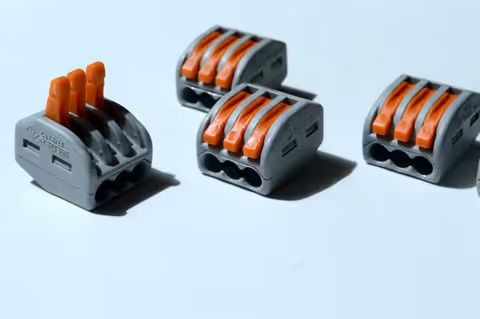
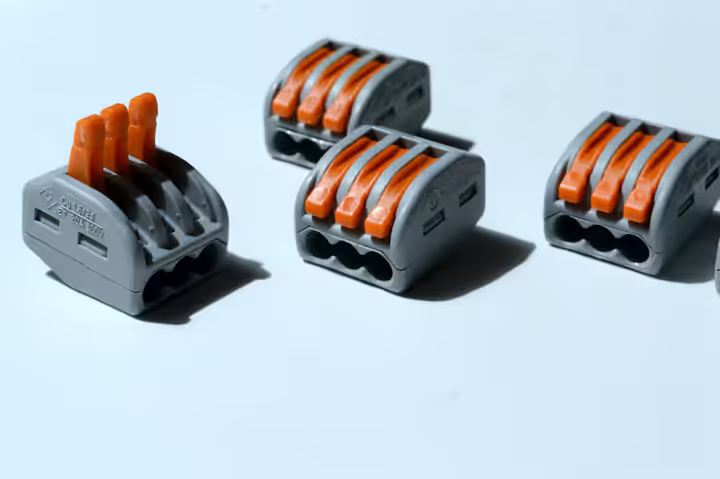
Terminal connectors are widely used in industrial wiring, control panels, and power distribution systems. They allow wires to be fastened securely using screws, clamps, or spring mechanisms, making them ideal for fixed installations.
Why are modular connectors important in communication networks?
Modular connectors support structured wiring systems and networking standards. Their design ensures consistent signal transfer, easy replacement, and compatibility with devices such as routers, switches, and communication panels.
How do regulations ensure connector safety?
Regulations such as IEC and UL standards define performance criteria for insulation, temperature resistance, electrical load, and material composition. Compliance ensures the connectors can handle expected conditions without failure.
What factors determine the selection of a connector?
Key factors include current rating, voltage rating, environmental conditions, material durability, compatibility with wiring systems, and adherence to wiring compliance regulations.
Conclusion
Connectors are essential elements of electrical and electronic infrastructure. Understanding pin connectors, plug connectors, terminals, and modular systems helps users make informed decisions when working with wiring components in residential, commercial, communication, or industrial environments.
The evolution of connector technology—from enhanced safety mechanisms to modular and miniaturised designs—continues to support the demands of modern automation, data networks, and smart systems. With clear standards, improved materials, and advancing engineering practices, connectors remain vital to reliable electrical performance and long-term operational stability.
This guide provides a foundation for recognising the importance of connectors, the regulations shaping their development, and the tools available to manage them effectively.