Makeup Products Guide: Types, Ingredients & Safety
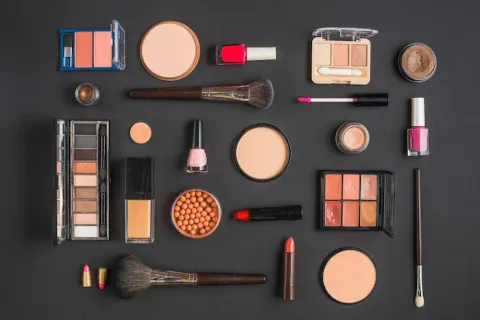
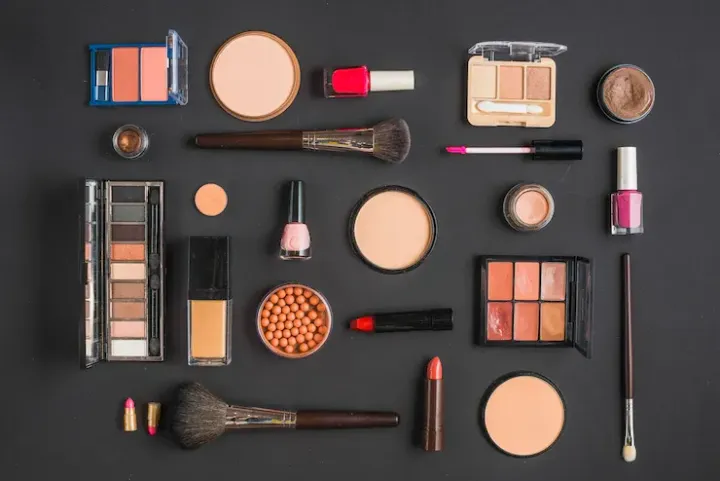
Makeup products are cosmetic products designed to enhance or change the appearance of the face, lips, eyes, and other visible areas. Common examples include foundation, concealer, face powder, blush, lipstick, mascara, eyeliner, and eyeshadow. The U.S. FDA classifies many of these products as cosmetics because they are intended to beautify or alter appearance.
Common Types of Makeup Products
Face Makeup
Face makeup includes foundation, concealer, face powder, blush, bronzer, and highlighter. Foundation can help create a more even-looking complexion, while concealer is commonly used on specific areas. Powder can help reduce visible shine and provide a particular finish.
Eye Makeup
Eye makeup includes mascara, eyeliner, and eyeshadow. These products are designed to enhance the appearance of the eyes. Because products used around the eyes can come into close contact with sensitive areas, following product directions and maintaining clean application tools is important.
Lip Makeup
Lipstick, lip gloss, lip liner, and lip balm are common lip makeup products. They are available in different textures, finishes, and shades. Reading the ingredient information can help consumers identify ingredients they may wish to avoid.
Understanding Cosmetic Ingredients
Cosmetic ingredients can include pigments, oils, waxes, preservatives, fragrances, and other functional ingredients. Retail cosmetics generally provide an ingredient declaration, with ingredients commonly listed by their usual names and generally in descending order of predominance under U.S. labeling rules.
Some people can experience sensitivity or allergic reactions to particular cosmetic ingredients. Fragrance ingredients and certain preservatives are examples of ingredients that may be relevant to individuals with known sensitivities. Checking the ingredient panel is therefore an important part of choosing and using cosmetic products.
How to Choose Makeup Products
Consider Your Skin and Makeup Needs
When selecting makeup, consider factors such as skin characteristics, desired finish, shade, texture, and intended use. A product that works well for one person may not provide the same result for another person, so understanding the product's purpose and reading its instructions can be useful.
Check the Product Label
The label can provide important information about ingredients, directions, warnings, and other product details. Terms such as “hypoallergenic” should not automatically be interpreted as meaning that a product cannot cause an allergic reaction.
Makeup Safety and Storage
Good cosmetic hygiene can help reduce avoidable problems. Wash your hands before applying makeup, keep containers closed when not in use, and avoid sharing makeup. Products that develop an unusual smell or color change should not be used. Eye makeup requires particular care, and makeup should be discarded if it becomes contaminated or if it has been used during an eye infection.
Makeup Products and Cosmetic Claims
Cosmetic products should be understood according to their intended purpose and labeling. In the United States, cosmetic claims must be truthful and not misleading. Products marketed with claims about treating or preventing disease or affecting the body's structure or function may fall under additional drug regulations.
Conclusion
Makeup products include a wide range of cosmetics for the face, eyes, and lips. Understanding product categories, reading ingredient labels, following usage instructions, and maintaining good cosmetic hygiene can help consumers make informed choices. Makeup is primarily intended to enhance appearance, while product safety depends on proper formulation, labeling, storage, and use.