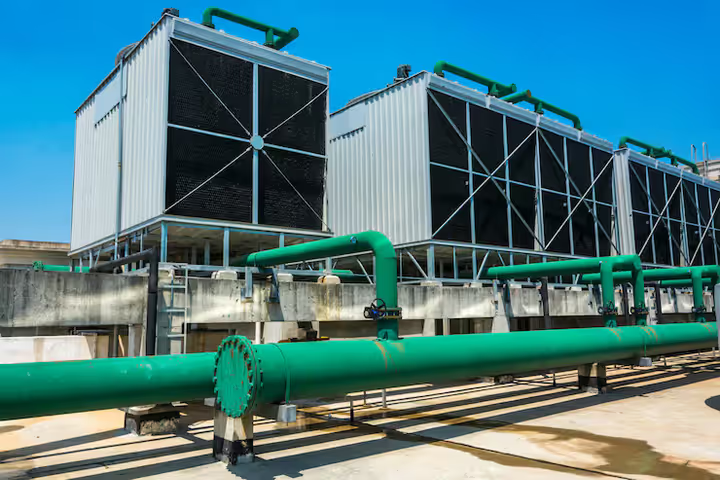
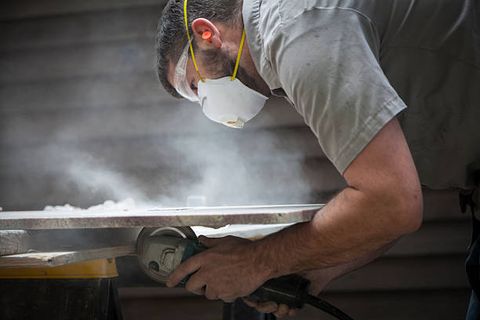
Unlike residential HVAC systems, industrial HVAC equipment often operates across large spaces and under demanding conditions. Manufacturing plants, warehouses, data centers, laboratories, processing facilities, and other commercial or industrial buildings may require specialized systems based on their operational requirements.
Understanding how industrial HVAC works can help facility managers evaluate energy efficiency, equipment performance, maintenance requirements, indoor air quality, and long-term operating costs.
What Is Industrial HVAC?
Industrial HVAC is a collection of mechanical systems used to control environmental conditions inside industrial buildings and facilities.
These systems can include:
-
Industrial air conditioning
-
Heating systems
-
Ventilation equipment
-
Air handling units
-
Industrial chillers
-
Cooling towers
-
Industrial boilers
-
Exhaust systems
-
Air filtration equipment
-
Humidity control systems
-
Heat recovery equipment
-
Building automation and control systems
The appropriate HVAC configuration depends on factors such as building size, climate, production activities, heat-generating equipment, occupancy, air-quality requirements, and operating schedules.
Why HVAC Is Important in Industrial Facilities
HVAC systems play an important role in maintaining suitable working and operating conditions. Temperature and humidity can affect workers, machinery, materials, and manufacturing processes.
Employee Comfort and Workplace Conditions
Industrial environments can become extremely hot or cold depending on outdoor weather, building design, production equipment, and ventilation requirements.
A properly designed HVAC system can help maintain more consistent indoor temperatures and improve workplace comfort.
Equipment Protection
Some industrial equipment performs best within specific environmental conditions. Excessive heat, moisture, dust, or poor ventilation can contribute to equipment problems.
HVAC systems can help manage these environmental factors and support reliable equipment operation.
Process Requirements
Certain manufacturing and processing activities require controlled temperature or humidity.
For example, pharmaceutical, food processing, electronics, and precision manufacturing facilities may have specialized environmental requirements.
Indoor Air Quality
Industrial processes can generate dust, fumes, vapors, heat, and other airborne contaminants. Ventilation and filtration systems can help control indoor air quality when properly designed and maintained.
Major Types of Industrial HVAC Systems
Industrial buildings can use several different HVAC technologies. The best option depends on the facility's size and requirements.
Industrial Chiller Systems
Chillers remove heat from water or another cooling fluid and distribute cooling throughout a facility.
Chiller systems are commonly used where centralized cooling is required. They may be combined with air handling units, cooling towers, pumps, and control systems.
When evaluating a chiller, facility managers may consider:
-
Cooling capacity
-
Energy consumption
-
Operating temperature
-
Maintenance requirements
-
Refrigerant technology
-
Water consumption
-
Installation costs
-
Lifecycle costs
Industrial Air Handling Units
An air handling unit (AHU) conditions and distributes air throughout a building.
An AHU may contain components such as:
-
Fans
-
Filters
-
Heating coils
-
Cooling coils
-
Dampers
-
Humidification equipment
-
Dehumidification components
-
Heat recovery systems
Large facilities may use multiple AHUs to provide independent control for different production or operational areas.
Industrial Ventilation Systems
Ventilation removes stale or contaminated air and introduces fresh air into a facility.
Industrial ventilation can include:
-
General ventilation
-
Local exhaust ventilation
-
Roof exhaust systems
-
Supply-air systems
-
Make-up air systems
-
Fume extraction systems
Local exhaust ventilation is particularly important when contaminants are generated at specific workstations or production processes.
Industrial Heating Systems
Heating requirements vary significantly between facilities and climates.
Industrial heating solutions may include:
-
Boilers
-
Heat pumps
-
Gas-fired heaters
-
Electric heaters
-
Radiant heating
-
Hot-water heating systems
-
Waste-heat recovery systems
The choice depends on building requirements, fuel availability, efficiency considerations, and applicable regulations.
Industrial HVAC and Energy Efficiency
Energy consumption is one of the most important considerations when operating large HVAC systems.
Industrial facilities can consume substantial amounts of energy for heating, cooling, ventilation, pumping, and air movement. Improving HVAC efficiency can therefore contribute to lower operating expenses.
Variable Speed Drives
Variable frequency drives can adjust motor speed according to demand.
Instead of operating a fan or pump continuously at full speed, the system can reduce speed when less airflow or water circulation is required.
This can improve energy performance in applications with varying loads.
Energy-Efficient Motors
High-efficiency motors can reduce electrical losses in HVAC equipment.
Because industrial HVAC systems may operate for long periods, motor efficiency can have a meaningful impact on long-term electricity consumption.
Heat Recovery
Some facilities exhaust large amounts of conditioned air. Heat recovery systems can capture energy from exhaust air and transfer it to incoming air.
This can reduce the amount of energy required to heat or cool incoming ventilation air.
Smart HVAC Controls
Modern HVAC controls can automatically adjust system operation based on factors such as:
-
Temperature
-
Humidity
-
Occupancy
-
Outdoor conditions
-
Equipment schedules
-
Air quality
-
Cooling or heating demand
Building automation systems can also provide facility managers with information about equipment performance and energy consumption.
Industrial HVAC Maintenance
Regular maintenance is essential for reliable HVAC operation.
A maintenance program may include inspections, cleaning, testing, calibration, and replacement of worn components.
Common Maintenance Tasks
Depending on the equipment, maintenance can include:
-
Replacing or cleaning air filters
-
Inspecting fans and belts
-
Cleaning heat exchangers
-
Checking electrical connections
-
Inspecting refrigerant systems
-
Cleaning coils
-
Checking pumps and valves
-
Testing safety controls
-
Inspecting ductwork
-
Monitoring temperature and pressure
-
Checking vibration and unusual noise
Maintenance requirements vary according to equipment type and manufacturer recommendations.
Preventive Maintenance
Preventive maintenance attempts to identify problems before they cause major equipment failures.
For industrial facilities, unexpected HVAC downtime can affect employee comfort, production processes, inventory, and operating schedules.
A documented maintenance plan can help organizations track inspections and identify recurring equipment problems.
How to Choose an Industrial HVAC System
Selecting industrial HVAC equipment requires more than comparing the purchase price of different systems.
Facility managers should evaluate the complete operating requirements.
Determine the Required Capacity
The HVAC system must be appropriately sized for the facility.
Factors that influence capacity include:
-
Building size
-
Ceiling height
-
Insulation
-
Outdoor climate
-
Occupancy
-
Lighting
-
Production machinery
-
Process heat
-
Ventilation requirements
-
Building orientation
Oversized and undersized systems can both create operational problems.
Evaluate Energy Performance
Energy efficiency should be considered alongside the initial equipment cost.
A system with a higher purchase price may have different long-term operating costs depending on its efficiency, maintenance requirements, and expected service life.
Consider Maintenance Requirements
Equipment should be accessible for inspection and servicing.
Facility managers should understand:
-
Recommended service intervals
-
Replacement parts
-
Filter requirements
-
Technician requirements
-
Cleaning procedures
-
Expected component life
Review Installation Requirements
Industrial HVAC equipment may require significant infrastructure, including electrical systems, piping, ductwork, pumps, structural supports, controls, and drainage.
Installation requirements should be evaluated before equipment is selected.
Industrial HVAC for Different Applications
Different industries have different environmental requirements.
Manufacturing Facilities
Manufacturing plants may generate substantial heat from machinery and production processes. HVAC systems may therefore need to combine cooling, ventilation, and localized exhaust.
Warehouses
Warehouses typically have large open spaces and high ceilings. Heating and ventilation strategies can differ considerably from those used in offices or smaller commercial buildings.
Data Centers
Data centers generate significant amounts of heat from computing equipment. Cooling systems are designed to provide continuous and reliable temperature management.
Pharmaceutical Facilities
Pharmaceutical manufacturing and research environments may require controlled temperature, humidity, filtration, and air pressure.
Specific requirements depend on the facility's processes and applicable regulations.
Food Processing Facilities
Food processing environments may require temperature control, ventilation, humidity management, and hygienic equipment design.
HVAC requirements vary according to the type of processing and applicable food-safety standards.
Industrial HVAC and Indoor Air Quality
Indoor air quality is an important consideration in industrial facilities.
Poor ventilation can allow airborne contaminants to accumulate. Depending on the workplace, these contaminants may include dust, fumes, odors, vapors, or process-generated particles.
An effective ventilation strategy should consider both the source of contaminants and the movement of air throughout the facility.
Filtration
Air filters can capture particles from air passing through HVAC equipment. Filter selection depends on the type and size of particles that need to be controlled.
Local Exhaust
Local exhaust ventilation captures contaminants close to their source rather than allowing them to disperse throughout the facility.
This approach can be useful for processes that generate fumes, dust, or vapors.
HVAC Automation and Building Management Systems
Industrial HVAC systems are increasingly integrated with building management and automation technologies.
Sensors can collect information about temperature, humidity, pressure, airflow, and equipment operation.
A centralized control system can then use this information to adjust HVAC equipment and provide facility operators with performance data.
Benefits of HVAC Monitoring
Monitoring can help facility managers:
-
Identify abnormal equipment behavior
-
Track energy consumption
-
Detect temperature changes
-
Schedule maintenance
-
Review operating conditions
-
Improve equipment control
Data-driven HVAC management can be particularly useful in large facilities with multiple heating and cooling systems.
Industrial HVAC Costs
The cost of an industrial HVAC project depends on many variables, so there is no single price applicable to every facility.
Important cost factors include:
-
Building size
-
Required heating and cooling capacity
-
Equipment type
-
Installation complexity
-
Ductwork
-
Electrical infrastructure
-
Piping
-
Controls
-
Ventilation requirements
-
Filtration
-
Labor
-
Maintenance requirements
-
Local building requirements
Facility owners should evaluate both initial capital costs and long-term operating costs when comparing HVAC solutions.
Ways to Improve Industrial HVAC Performance
Several practical strategies can help facilities improve HVAC performance.
Maintain Filters and Coils
Dirty filters and coils can restrict airflow and reduce heat-transfer performance. Regular inspection and cleaning can help maintain system operation.
Use Automated Controls
Automated controls can adjust HVAC operation based on actual demand rather than relying solely on fixed operating schedules.
Inspect Ductwork
Leaks and damaged ductwork can reduce the amount of conditioned air reaching its intended destination.
Monitor Energy Consumption
Tracking electricity, fuel, and other energy use can help identify unusual consumption patterns and opportunities for improvement.
Optimize Operating Schedules
HVAC systems do not always need to operate at maximum capacity. Operating schedules can be adjusted according to occupancy, production schedules, and environmental requirements where appropriate.
Industrial HVAC Regulations and Safety
Industrial HVAC systems must be designed and operated according to applicable local building, environmental, workplace safety, electrical, fire, and mechanical requirements.
Requirements can vary by country, state, industry, and facility type.
Organizations should consult qualified HVAC engineers and relevant regulatory authorities when designing or modifying industrial HVAC systems.
Future Trends in Industrial HVAC
The industrial HVAC sector continues to develop as businesses focus on energy management, automation, environmental performance, and operational reliability.
Some important trends include:
Greater HVAC Automation
Sensors, controllers, and building management platforms are becoming increasingly capable of collecting and analyzing operational data.
More Efficient Equipment
Manufacturers continue to develop HVAC equipment designed to provide required heating or cooling with improved energy performance.
Heat Recovery
Heat recovery can become increasingly valuable in facilities where large quantities of conditioned air or waste heat are available.
Predictive Maintenance
Connected equipment can provide operating information that helps maintenance teams identify unusual conditions before they develop into major failures.
Electrification
Heat pumps and other electrically powered technologies are being considered for some industrial heating and cooling applications, depending on temperature requirements and local energy infrastructure.
Frequently Asked Questions About Industrial HVAC
What is the difference between commercial and industrial HVAC?
Commercial HVAC generally serves buildings such as offices, retail spaces, and smaller commercial facilities. Industrial HVAC is often designed for larger spaces, demanding operating environments, specialized processes, and higher ventilation or cooling requirements.
How often should industrial HVAC systems be serviced?
Service intervals depend on the equipment, operating environment, manufacturer recommendations, and facility requirements. Systems operating continuously or in dusty or demanding environments may require more frequent inspection.
Is industrial HVAC expensive?
Industrial HVAC projects can require significant investment because they often involve large equipment, extensive ductwork or piping, electrical infrastructure, controls, and installation work. Total cost depends on the specific facility and system design.
How can industrial HVAC energy costs be reduced?
Common approaches include improving equipment efficiency, optimizing controls, maintaining filters and coils, reducing unnecessary operating hours, using variable-speed equipment where appropriate, and recovering waste heat when practical.
Why is ventilation important in industrial buildings?
Ventilation helps control indoor air conditions by removing stale air and, where appropriately designed, contaminants generated by industrial processes. The required ventilation strategy depends on the specific facility and process.
Conclusion
HVAC for industrial use is an important part of modern facility infrastructure. Industrial heating, cooling, and ventilation systems help manage temperature, humidity, air movement, and indoor air quality while supporting equipment and production requirements.
Choosing the right system requires consideration of building characteristics, process requirements, energy efficiency, installation costs, maintenance, controls, and applicable regulations.
For facility owners and managers, the most effective approach is to evaluate HVAC as a long-term infrastructure investment rather than focusing only on the initial equipment price. Proper system design, regular maintenance, energy monitoring, and appropriate automation can contribute to reliable operation and better control of facility operating costs.