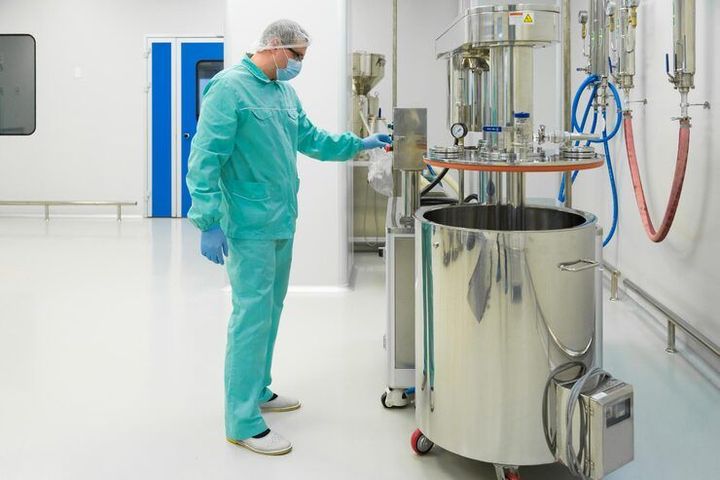
Spray Drying: A Guide to Modern Processing Techniques
Spray drying is an essential process in various industries, allowing for the conversion of liquid substance into powders, significantly impacting product storage, stability, and usability. This transformation occurs through the rapid removal of moisture, thus preserving the intrinsic qualities of the material. In this guide, we explore the fundamental concepts of spray drying, offering practical insights and modern processing knowledge for those new to the technique.
The spray drying process begins with the formulation of a liquid feed solution, which contains the material to be dried dissolved or suspended in a solvent, typically water. The choice of feed solution formulation is critical, as it determines the final properties of the powder, including particle size, moisture content, and stability. Consideration of the physicochemical properties of the solutes, such as solubility and viscosity, is vital in optimizing the feed solution for the spray drying process.
Once the feed solution is prepared, it is atomized into a fine mist using an atomizer. Various types of atomizers exist, including rotary, nozzle, and ultrasonic, each with its advantages and suitability for different applications. Atomization increases the surface area of the liquid, facilitating efficient heat transfer and rapid moisture evaporation. Parameters such as atomizer speed, nozzle size, and air pressure need careful adjustment to achieve the desired droplet size and distribution.
Following atomization, the fine droplets enter a drying chamber where they encounter a stream of hot drying air. The temperature and flow rate of the drying air are paramount in determining the drying rate and quality of the final product. The drying air must be hot enough to rapidly evaporate moisture but not so hot as to degrade sensitive components within the feed solution. Thus, a careful balance is required to ensure a high-quality output and maintain the integrity of the material being processed.
During drying, moisture evaporates from the surface of the droplets, and a solid shell begins to form. The initial rapid drying phase is followed by a slower internal drying phase, which continues until the material achieves the desired moisture content. Monitoring these drying phases is essential, as they influence the morphology and particle size distribution of the final powder.
Post-drying, the powder is usually separated from the drying air using a cyclone separator or bag filter. Efficient separation is crucial to minimize powder loss and ensure that the product meets the necessary quality standards. Factors such as air velocity, cyclone size, and filter material play a vital role in the efficacy of the separation process, impacting the yield and purity of the final product.
An essential aspect of spray drying is understanding its influence on product characteristics. Factors such as bulk density, flowability, solubility, and hygroscopicity can be controlled through the spray drying process parameters. Adjustments in feed composition, atomization technique, and drying conditions can achieve desired powder properties for specific applications, from pharmaceuticals to food technology.
Advancements in spray drying technology continue to enhance its applicability and efficiency. Innovations such as multi-stage dryers, closed-loop systems, and adaptive process control offer improved energy efficiency, reduced environmental impact, and greater process versatility. These modern technologies enable the production of more complex formulations and broader particle size distributions tailored to specific industrial needs.
For industries seeking to leverage spray drying technology, it is crucial to invest in training and process optimization. Understanding the fundamentals and staying informed about recent advancements allows companies to maximize the benefits of spray drying, improving product quality and operational efficiency.
In conclusion, spray drying serves as a versatile technique that offers efficient moisture removal and stable powder production across various industries. By mastering the basics of spray drying and embracing modern developments, businesses can enhance their product offerings while optimizing process performance. As technology and techniques continue to evolve, the potential applications and benefits of spray drying are anticipated to expand, solidifying its role as a pivotal tool in industrial processing.